
Losing weight does not require skipping meals or surviving on bland food. In fact, a well-planned lunch is one of the most powerful tools in any weight loss journey. According to a study, eating a larger, nutrient-dense lunch rather than skipping it may support better weight management outcomes over time.
The Indian diet, rich in lentils, whole grains, fresh vegetables, and spices, is naturally aligned with weight loss principles when prepared the right way. A healthy Indian weight loss lunch should be light enough to avoid afternoon sluggishness but filling enough to control cravings until dinner.
Research suggests that meals combining protein, fiber, and healthy fats may help reduce overall calorie intake throughout the day. With the right ingredients and simple cooking methods, your lunch can become the most satisfying and effective meal of your entire day.
The Main Ingredients of a Healthy Lunch
A balanced weight loss lunch is built on a foundation of four key nutritional components that work together to support satiety, digestion, and overall wellness.
| Component | Examples | Role in Weight Loss |
|---|---|---|
| Protein | Dal, paneer, chicken, eggs, chickpeas | Helps reduce hunger and supports muscle maintenance |
| Fiber | Salads, whole grains, vegetables | Slows digestion and may help prevent overeating |
| Healthy Fats | Olive oil, ghee (small amount) | Supports satiety and nutrient absorption |
| Hydrating Foods | Cucumber, yogurt, buttermilk | Supports digestion and hydration |
Keeping oil content low and spices balanced ensures the meal stays calorie-friendly without losing flavor. This nutritional balance supports better digestion, reduced cravings, and steady energy throughout the afternoon.
Dal and Roti — Classic Weight Loss Meal
One of the best and easiest Indian lunches for weight loss, dal and roti, has been a staple of healthy Indian eating for generations.
Ingredients
- Moong dal or masoor dal — 1 cup
- Whole wheat roti — 2 pieces
- Light spices (turmeric, cumin, coriander)
- Minimal oil — hala f a teaspoon
Why It Works
Moong dal is naturally high in protein and has a low glycemic index, which may help support stable energy levels. Whole wheat roti adds complex carbohydrates and dietary fiber, which slow digestion and keep you full for three to four hours after eating.
Studies suggest that high-protein, high-fiber meals like dal and roti may help reduce overall daily calorie intake by supporting satiety. It becomes even healthier and more filling when paired with a fresh cucumber and tomato salad on the side.
Khichdi — Light Detox Meal
Khichdi is one of India’s most ancient comfort foods, and when made the right way, it is also an excellent weight-loss lunch option.
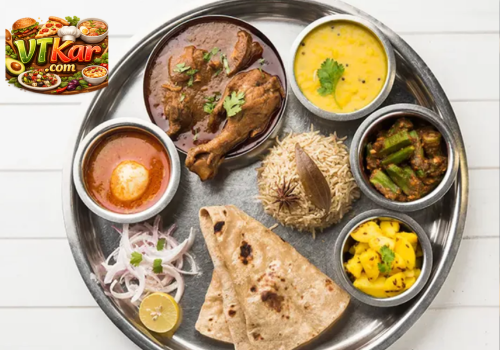
Ingredients
- Rice (small portion) — quarter cup
- Moong dal — half cup
- Turmeric and cumin — to taste
- Mixed vegetables (carrot, peas, spinach) — half cup
- Ghee — optional, half teaspoon only
Why It Works
Khichdi made with moong dal and vegetables provides a balanced mix of carbohydrates and plant-based protein in one dish. Adding vegetables increases fiber content while keeping total calories moderate, making it a balanced lunch option.
Traditional dietary systems have long recommended khichdi for its lightness, and modern nutrition supports that easily digestible meals may help maintain digestive comfort. It is ideal at lunchtime when you want something light, warm, and satisfying.
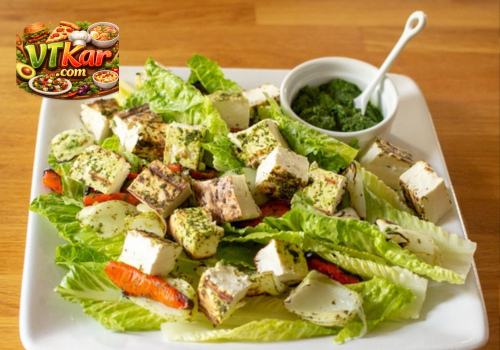
Grilled Paneer Salad — High-Protein Lunch
Paneer salad is a low-carb, protein-rich meal that helps support satiety and muscle maintenance during weight loss.
Ingredients
- Paneer cubes (grilled or lightly sautéed) — 100 grams
- Cucumber, tomato, onion — as needed
- Lemon juice — 1 tablespoon
- Black pepper and salt — to taste
Why It Works
Grilled paneer provides a good amount of protein with relatively low carbohydrates, making it suitable for weight management diets. Protein-rich meals may help increase satiety hormones that reduce hunger. Fresh vegetables add vitamins, antioxidants, and hydration, supporting overall wellness. This meal is also quick to prepare, making it a practical option for busy weekday lunches.
Chana Salad — High-Fiber Filling Lunch
Chickpeas are among the most researched foods for weight management due to their fiber and protein content.
Ingredients
- Boiled chickpeas (chana) — 1 cup
- Onion, tomato, cucumber — chopped
- Lemon juice — 1 tablespoon
- Chaat masala — optional, to taste
Why It Works
One cup of boiled chickpeas contains protein, fiber, and moderate calories, making it a nutrient-dense food for weight control. Some studies suggest chickpeas may help reduce snacking between meals due to their high satiety effect. The resistant starch in chickpeas may also support gut health. This salad is also excellent for meal prep and can be stored in the refrigerator for up to two days.
Roti Wrap — Quick and Healthy Meal
A vegetable roti wrap is an easy, portable, and balanced lunch idea that suits busy lifestyles.
Ingredients
- Whole wheat roti — 1 to 2 pieces
- Stir-fried vegetables (capsicum, carrot, beans) — half cup
- Yogurt or mint chutney — 2 tablespoons
Why It Works
Whole wheat roti has a lower glycemic index compared to refined flour products, which may help support steadier energy release. Vegetables add fiber and volume without significantly increasing calories. Mint chutney contains herbs that may support digestion. This wrap is easy to carry and makes healthy eating more convenient.
Brown Rice with Dal — Balanced Weight Loss Meal
Swapping white rice for brown rice is a simple dietary change that may support long-term weight management.
Ingredients
- Brown rice — half cup (cooked)
- Moong dal or masoor dal — 1 cup
- Light spices — to taste
- Salad on the side
Why It Works
Brown rice contains more fiber than white rice, which may help slow digestion and support fullness. Research suggests that replacing refined grains with whole grains may support a healthier body weight over time. Combined with dal, this meal provides a balanced mix of protein and complex carbohydrates. The side salad adds extra fiber and micronutrients.
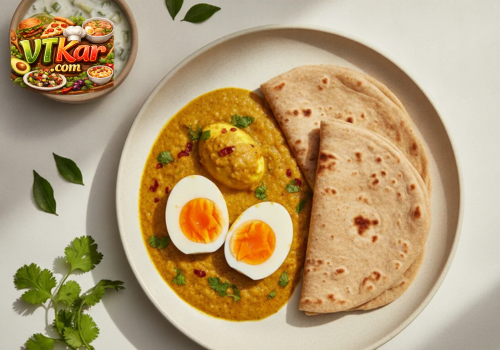
Egg Curry with Roti — Protein-Rich Option
Eggs are an affordable and high-quality protein source for non-vegetarian diets.
Ingredients
- Boiled eggs — 2
- Onion-tomato gravy — light preparation
- Whole wheat roti — 2 pieces
Why It Works
Eggs provide complete protein, which supports muscle maintenance and satiety. Some research suggests that higher protein lunches may help reduce calorie intake later in the day. The onion-tomato gravy adds antioxidants such as lycopene, which support general health. This meal is also quick to prepare and practical for daily use.
Curd Rice — Light and Cooling Lunch
Curd rice is a soothing, probiotic-rich option for light lunches.
Ingredients
- Cooked rice (small portion) — quarter cup
- Yogurt — half cup
- Cumin powder and salt — to taste
- Curry leaves — optional
Why It Works
Yogurt contains beneficial bacteria that may support gut health and digestion. Some studies suggest that probiotic foods may help support healthy body composition when included as part of a balanced diet. Keeping rice portions small ensures the meal stays light while still satisfying. This makes curd rice a good option for hot weather or light eating days.
Easy Weight Loss Lunch Tips
Small daily habits paired with balanced meals can support long-term weight management.
- Eat Slowly and Mindfully — Eating slowly may help improve fullness signals and reduce overeating.
- Avoid Oily and Fried Foods — Fried foods significantly increase calorie intake
- Drink Water Before Meals — May help support portion control
- Include Salad with Every Lunch — Adds fiber and volume
- Control Portion Sizes — Helps manage overall calorie intake
- Avoid Sugary Drinks — Reduces unnecessary calorie consumption
Final Thought
An Indian weight loss diet does not require expensive superfoods or strict restrictions. Everyday ingredients like dal, roti, paneer, eggs, and chickpeas can support weight management when prepared in a balanced way. These meals show that healthy eating can be simple, affordable, and satisfying.
The foundation of long-term weight management is consistency, not perfection. Small changes such as choosing whole grains, adding salads, and controlling portions may lead to meaningful results over time. When your lunch is balanced and satisfying, it becomes easier to maintain healthy eating throughout the day.
Healthy eating is ultimately about making better, more informed choices every day. With the right knowledge and a little preparation, your lunch can become a strong part of your overall wellness routine.
FAQs
1. What is the best time to eat lunch for weight loss?
The best time to eat lunch for weight loss is generally between 12:00 pm and 2:00 pm. Eating within this window helps maintain stable energy levels, prevents late-afternoon cravings, and supports better digestion and metabolism throughout the day.
2. Can I skip rice completely in a weight-loss lunch?
Yes, you can skip rice if you prefer a low-carb approach, but it is not necessary. The key is portion control. If you replace rice, you should still include a balanced source of complex carbohydrates like whole wheat roti, dal, or vegetables to maintain energy and avoid overeating later.
3. How many calories should a weight-loss lunch contain?
A typical weight loss lunch should contain around 300 to 500 calories, depending on your age, activity level, and total daily calorie needs. The focus should be on nutrient-dense foods like protein, fiber, and healthy fats rather than strictly cutting calories.

Pingback: High Protein Vegetarian Meals Without Supplements -
Pingback: Street-Style Chutney Recipes at Home -